Laodicea in the Bible: The History, Prophecy, and Spiritual Significance of an Ancient City
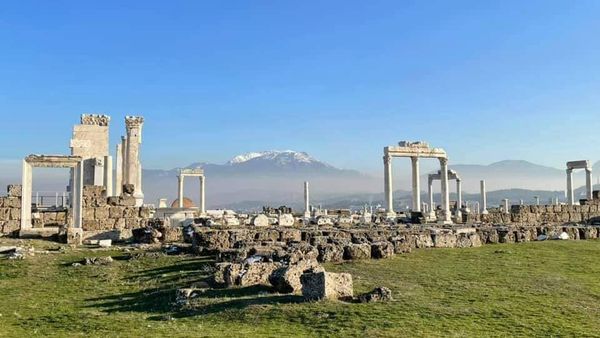
Laodicea is one of the most intriguing cities mentioned in the Bible. Located in present-day Turkey, it was an important trade and cultural center in antiquity. The city is best known for being one of the Seven Churches of Revelation, as addressed in the Book of Revelation (Revelation 3:14-22). Beyond its historical significance, Laodicea carries deep theological and prophetic meanings that resonate with Christian teachings today.
The Historical Background of Laodicea
Laodicea was founded in the 3rd century BC by Seleucid King Antiochus II and named after his wife, Laodice. The city was strategically located on a major trade route, connecting the Aegean region to the inland provinces of Asia Minor. Due to its favorable location, Laodicea became a thriving financial and commercial hub, particularly known for its banking system, textile industry, and advanced medical practices.
However, despite its wealth and prosperity, Laodicea had one major weakness: a poor water supply. The city had to rely on aqueducts to bring in water from nearby hot springs, resulting in lukewarm, mineral-rich water that was neither refreshing nor particularly useful. This characteristic would later play a significant role in its biblical depiction.
Laodicea is an essential part of our Biblical Tours. You can explore our Private Biblical Tours here.
Laodicea in the Bible
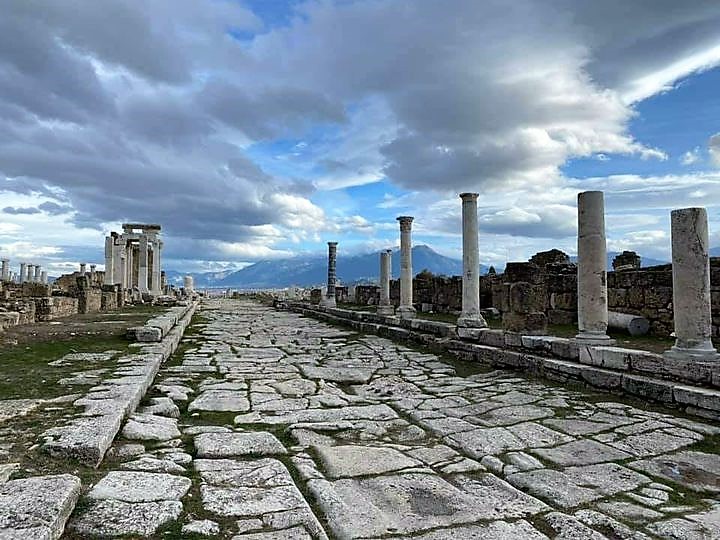
The most notable mention of Laodicea in the Bible comes from Revelation 3:14-22, where Jesus addresses the church in Laodicea in a message of admonition and warning.
Revelation 3:14-16 – The Lukewarm Church
In His message, Jesus tells the Laodicean church:
"I know your deeds, that you are neither cold nor hot. I wish you were either one or the other! So, because you are lukewarm—neither hot nor cold—I am about to spit you out of my mouth."
This statement metaphorically refers to Laodicea’s water supply, which was tepid and unpalatable, much like the church's spiritual complacency. Unlike the refreshing cold waters of Colossae or the healing hot springs of Hierapolis, Laodicea’s lukewarm faith lacked both passion and conviction.
Revelation 3:17 – The Illusion of Wealth
Jesus continues:
"You say, ‘I am rich; I have acquired wealth and do not need a thing.’ But you do not realize that you are wretched, pitiful, poor, blind and naked."
Laodicea was a wealthy city, yet spiritually, it was bankrupt. Despite its flourishing economy, its inhabitants were blind to their spiritual poverty. This verse serves as a powerful reminder that material wealth does not equate to spiritual health.
Revelation 3:18 – Spiritual Remedies
To correct their condition, Jesus advises the Laodiceans:
"I counsel you to buy from me gold refined in the fire, so you can become rich; and white clothes to wear, so you can cover your shameful nakedness; and salve to put on your eyes, so you can see."
This message cleverly ties into Laodicea’s industries:
- Gold – Representing true spiritual wealth, as opposed to material prosperity.
- White garments – A contrast to Laodicea’s renowned black wool clothing, symbolizing purity and righteousness.
- Eye salve – A reference to Laodicea’s famous medical school, which produced a renowned eye ointment. Here, it represents spiritual clarity and enlightenment.
Archaeological Discoveries and Their Significance
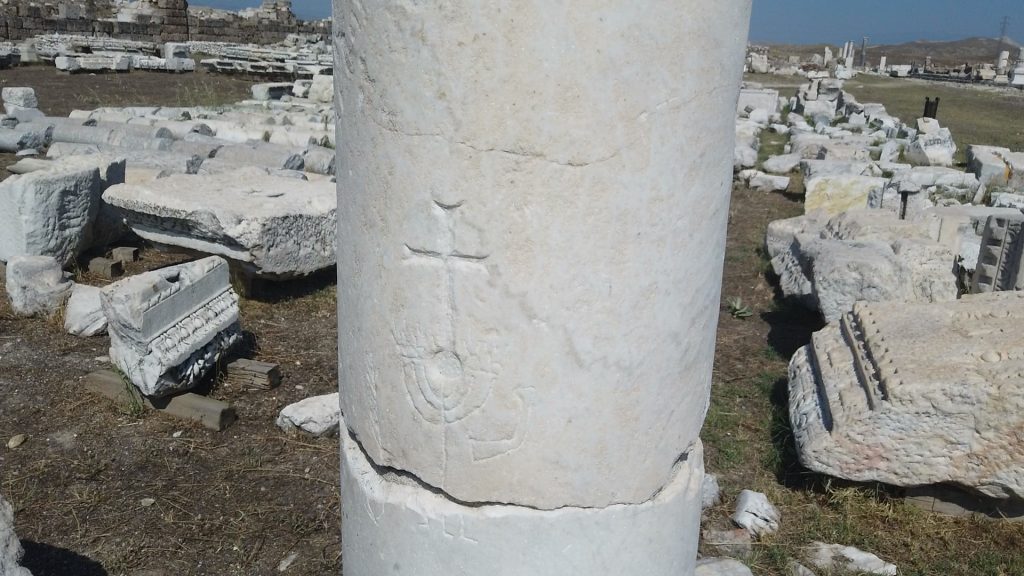
Excavations in Laodicea have uncovered fascinating evidence that aligns with its biblical and historical descriptions:
- The ruins of a sophisticated water system confirm the city's reliance on external water sources.
- An ancient theater, gymnasium, and large commercial markets highlight its economic prosperity.
- The remains of early Christian churches suggest the presence of a significant Christian community during the first few centuries AD.
- Inscriptions and coins bearing the names of local leaders and deities provide insight into the city’s political and religious landscape.
The Prophetic and Spiritual Lessons of Laodicea
Laodicea serves as a cautionary tale for Christians today. Many biblical scholars interpret the Laodicean church as symbolic of the end-time church—one that is materially wealthy but spiritually complacent.
Key Lessons from Laodicea:
- Avoid spiritual complacency – Passionate faith is essential; lukewarm Christianity is ineffective.
- True wealth is spiritual, not material – Wealth and success should never replace a deep relationship with God.
- Self-sufficiency leads to blindness – Relying solely on personal achievements can result in spiritual ignorance.
- God offers a remedy – Through repentance and faith, believers can regain spiritual clarity and purpose.
Conclusion
Laodicea is more than just an ancient city—it is a symbol of spiritual awareness and self-reflection. Its historical affluence and biblical admonition serve as a powerful reminder that true richness comes from faith, not material possessions.
By studying Laodicea, we gain not only historical knowledge but also a deeper understanding of our own spiritual state. Are we truly devoted, or are we simply lukewarm? The choice remains ours, just as it did for the Laodiceans nearly 2,000 years ago.
Footsteps of Paul Tour
7 Churches of Revelation Tour