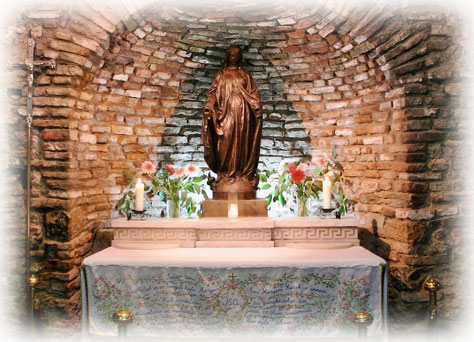
Grotto of St. Paul in Ephesus
Hidden on the southern slope of Bülbüldağ (Nightingale Mountain) in Türkiye’s ancient city of Ephesus, the Grotto of St Paul preserves some of the earliest visual witnesses to Christian faith. From fifth-century portraits of the Apostle Paul to medieval frescoes, this cave offers scholars and pilgrims a rare glimpse into the first centuries of Christianity.

1. Apostle Paul’s Ministry in Ephesus
Arrival and Teaching (54 A.D.)
- Paul reached Ephesus during his third missionary journey (Acts 19:1–20).
- Three months of preaching in the synagogue were followed by two years of daily instruction at the School of Tyrannus.
- The city became a strategic base for spreading the gospel throughout Asia Minor.
2. Discovery of the Cave
- Excavations on Bülbüldağ’s south face revealed the grotto, long used by local shepherds.
- In 1995, Dr Renate Pillinger (University of Vienna) uncovered an early fresco on the passage’s west wall, depicting a clear image of Paul.
- Archaeologists date the cave’s Christian use to the 1st–2nd centuries, making it one of the earliest Pauline pilgrimage sites.
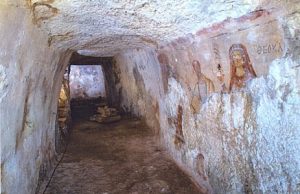
3. Artistic Treasures Inside
Key Frescoes & Inscriptions
- 5th-century portrait of Paul framed by later graffiti: “The hidden of Mother of God”; “Paul, help your servant”
- Old Testament scene of Abraham sacrificing Isaac (eastern entrance wall).
- 12th–13th-century Saint George — yellow nimbus, spear, and shield survive.
- Theophany (God-welcoming) Fresco: Christ with a cross-shaped nimbus seated on a rainbow; Two apostles / prophets flank Him.; A donor family approaches in veneration.
- Side-wall medallions of local saints and bishops.
The Dramatic Scene of Saint Thecla
- Saint Thecla peers from a window, listening to Paul preaching below.
- Paul sits with a book, right hand raised in a two-finger teaching gesture.
- Behind him, Thecla’s mother Theocleia raises a cautionary hand — an allusion to the 2nd-century apocryphal Acts of Paul and Thecla, where the young noblewoman abandons her engagement to follow Paul’s call to virginity and faith despite persecution.

4. From Sanctuary to Abandonment
- Centuries of pilgrim devotion layered the grotto with iconography.
- After the Greek–Turkish Population Exchange (1923–24), local Christians left, and the grotto fell into obscurity until modern excavations.
5. Visiting the Grotto Today
Important: The Grotto of St Paul is not open to the general public.
To arrange a visit, you must secure special permission from the Ephesus Museum Directorate in Selçuk, İzmir.
Practical Tips
- Plan well in advance. Permit processing can take weeks.
- Combine sites. Pair the grotto with Ephesus’ Terrace Houses and the nearby Basilica of St John for a focused Pauline itinerary.
- Respect conservation rules. No flash photography or touching frescoes; group sizes are usually limited.
6. Why the Grotto Matters
- Historical continuity: Links Paul’s documented Ephesian ministry to a physical worship space.
- Art-historical value: Showcases evolving Christian iconography from Late Antiquity through the Middle Ages.
- Spiritual resonance: Offers pilgrims a tangible connection to early church struggles and triumphs.
Conclusion
Whether you are a historian, art enthusiast, or faith seeker, the Grotto of St Paul Ephesus stands as a powerful reminder of Christianity’s formative years in Asia Minor. With its rare frescoes, inscriptions and Pauline associations, this cave invites visitors to step back into the first centuries of the gospel’s spread—and to reflect on a legacy that still shapes the world today.
You can watch our video about Ephesus
Footsteps of Paul Tour
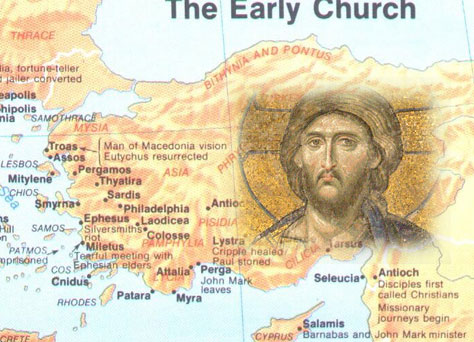
7 Churches of Revelation Tour