
Why Is Purple a Royal Color?
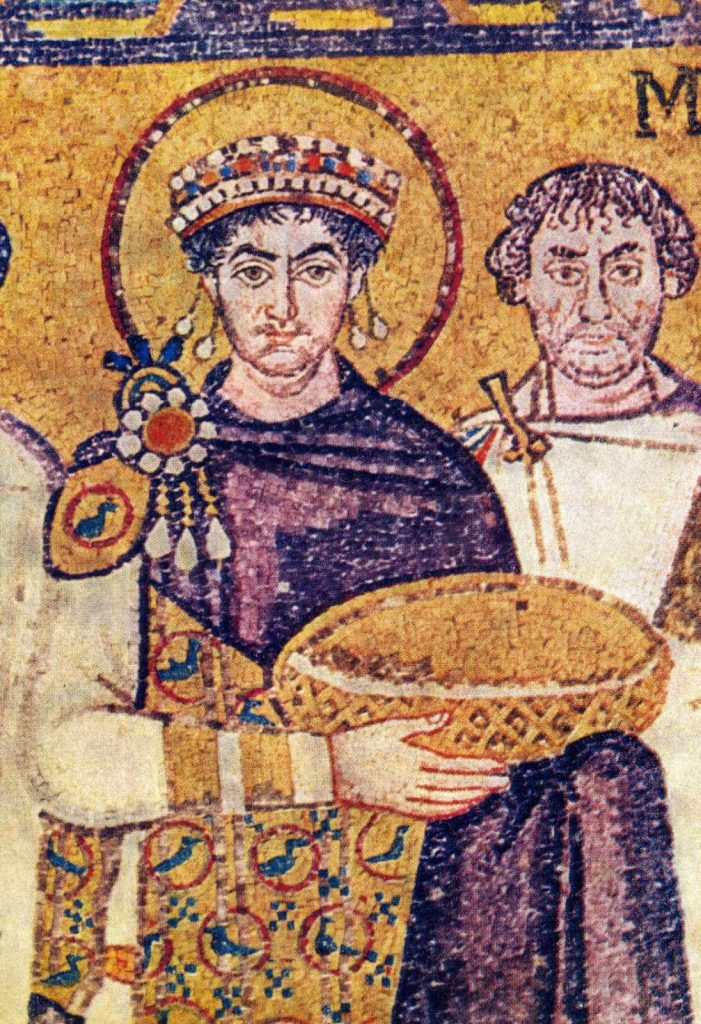
Throughout history, the color purple has symbolized royalty, wealth, and power. But what made this color so exclusive? The royal purple history comes from rarity, complex dye-making techniques, and cultural symbolism. From the Phoenicians to the Byzantine emperors, purple was a statement of divine right and imperial authority.
The Ancient Origins of Purple Dye
Tyrian Purple: A Dye Worth Its Weight in Gold
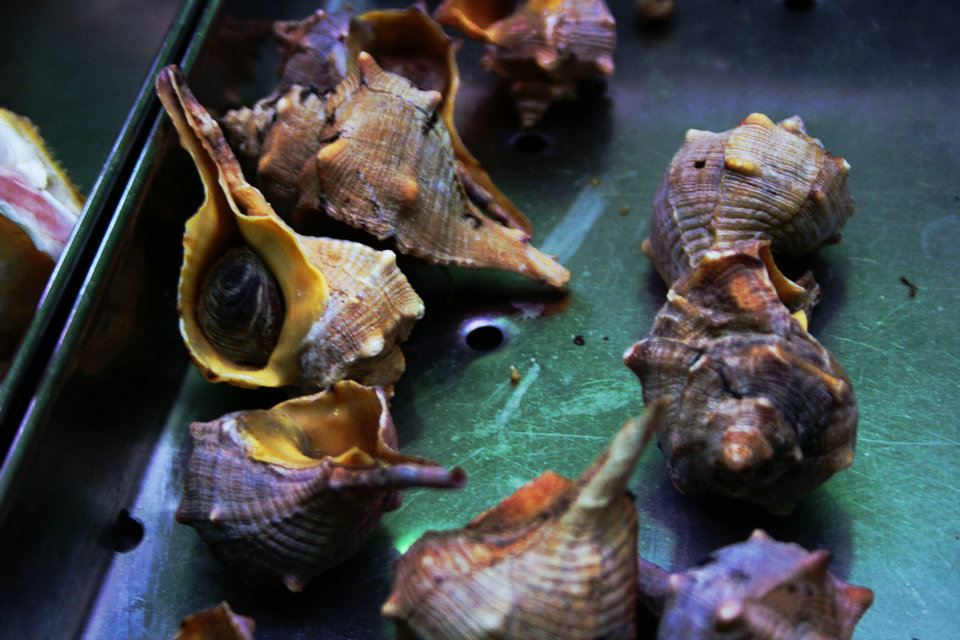
The origin of purple can be traced back to Tyre, an ancient Phoenician city located in modern-day Lebanon. That is the place where artisans discovered how to extract a vibrant dye from a species of sea snail known as Murex. This precious pigment became known as Tyrian purple.
How was purple dye made? The process was demanding: thousands of snails were collected, their shells cracked, and a small amount of purple-producing mucus was extracted and exposed to sunlight. It’s estimated that it took around 250,000 mollusks to produce just one ounce of dye, making it more valuable than gold at the time.
The Rise of the Purple Trade
Phoenicians and the Spread of Imperial Purple
The Tyrian purple history began with the Phoenicians, well known seafarers and traders, who became known as the sellers of purple. They exported the dye throughout the Mediterranean, including to their colonies such as Carthage, where the color became popular among the elite. One legend attributes the first use of Tyrian purple to Phoenix of Tyre, a Phoenician king, who is said to be the first to wear garments dyed in this regal hue.
Royal Endorsement and the Color of Emperors
Imperial Purple in the Roman and Byzantine Empires
The Romans quickly adopted imperial purple as a symbol of power. Only emperors and the highest-ranking officials were permitted to wear the color. In fact, some Roman emperors banned the use of purple clothing by ordinary citizens, punishing violations with death.
In the Byzantine Empire, the connection between royalty and purple deepened. Emperors wore robes of purple and signed decrees in purple ink. Even children born into the royal family were described as “born in the purple” (porphyrogenitus), emphasizing their divine right to rule.
An important moment in Byzantine Empire purple tradition comes from Empress Theodora, wife of Emperor Justinian. During the Nika Riots of 532 CE, when her husband considered fleeing the palace, she declared:
“May I never be deprived of this purple robe, and may I never see the day when those who meet me do not call me Empress... The royal purple is the noblest shroud.”
Biblical and Archaeological Connections
Lydia of Thyatira and Purple in the Bible
The purple color of royalty appears in ancient texts. The Bible mentions Lydia, a wealthy merchant from Thyatira (modern-day Akhisar, Turkey), who was a seller of purple and an early convert to Christianity.
Archaeological findings have also supported the status of purple. In Israel, 3000-year-old textiles dyed in purple have been uncovered, dating back to the time of King David and Solomon.
In Hierapolis (modern-day Pamukkale, Turkey), there is a sarcophagus with an inscription referencing the “holy presidency of the purple-dyers”, showing the high status of those involved in purple dye production.
Another fascinating discovery occurred in 2003 at Andriake, the ancient port of Myra in southern Turkey. Archaeologists uncovered well-preserved purple dye workshops and deposits of crushed purple snail shells, offering rare insight into the purple dye history.
The Decline and Rebirth of Purple
From Sacred to Synthetic
The monopoly on purple dye held by the elite gradually faded after the fall of the Byzantine Empire in the 15th century. However, the color remained expensive and rare until the mid-19th century. In the 1850s, the discovery of synthetic dyes made purple accessible to the masses, ending its long reign as a royal exclusive.
The Enduring Allure of Royal Purple
Even today, purple maintains its associations with cultural prestige and power. From ancient tomb inscriptions to modern fashion runways, the story of purple is one of scientific curiosity and timeless beauty.
Understanding the royal purple history shows how purple became a royal color and highlights the fascinating blend of biology, trade, and politics that turned a simple sea snail into a symbol of empires.
4 Day Istanbul Cappadocia Package
Istanbul 2 Day Itinerary